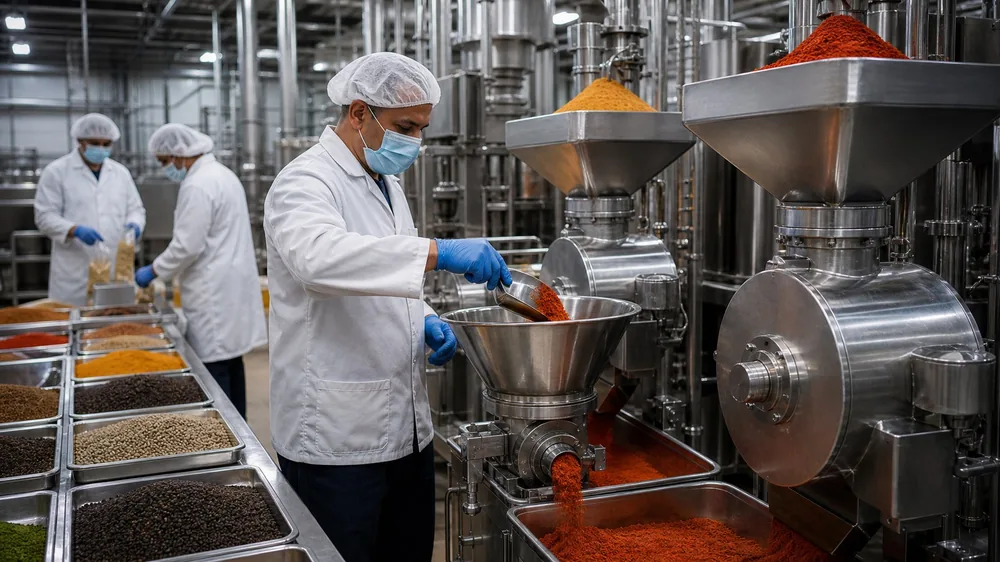
We didn’t get into food software because it was a market opportunity. We got into food software because food is where we came from.
We help food and beverage companies operate more safely, efficiently, and confidently through software designed for the way you work, a disciplined implementation process, and support from people who understand the industry firsthand
More than a hundred years ago, our founder’s family started a small neighborhood bakery. It was flour, water, yeast, and a delivery route — bread, fresh, on doorsteps before the sun came up.
That bakery grew. Over the next century it became one of the largest bread businesses in the country, run by the same family, generation after generation. It’s still in operation today.
Our founder grew up in it. He worked the production floor. He rode the delivery routes. He watched the family business handle the things every food company has to handle — supply costs, scheduling, recalls, route economics, hiring, holidays — long before there was software for any of it.
After a career in the family business, our founder left to start a technology company. He didn’t leave because he was done with food. He left because he saw a gap.
Every food company runs into the same problems. Most of them are using software that wasn’t built for food — generalist ERPs that don’t understand lot traceability, accounting tools that can’t handle BOMs, spreadsheets stitched together with email. The tools fight the work.
He started Harvest Food Solutions to build software for food companies, by people who came from food. Not adapted for food. Not “food vertical.” Built for it, top to bottom.
Most of us spent years in food manufacturing, distribution, or DSD operations before we ever sat down to design software. We’ve been the operations director getting the 6 a.m. call. We’ve been the bookkeeper running month-end close on a Sunday. We’ve been the dispatcher when a route went sideways. That’s the experience we bring to every customer engagement.
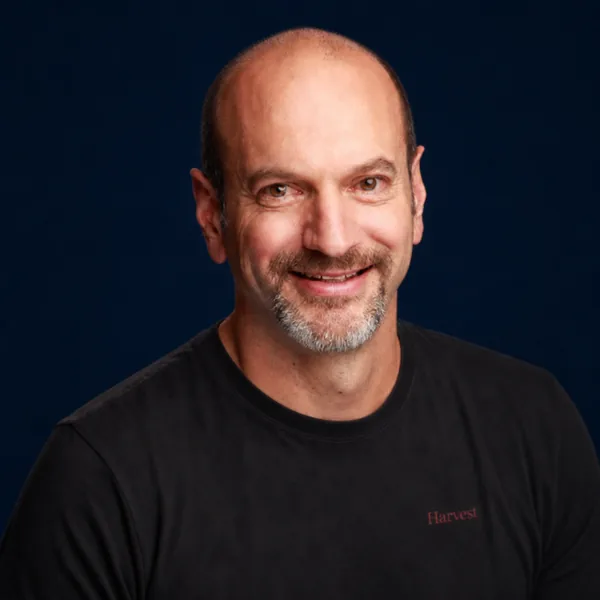
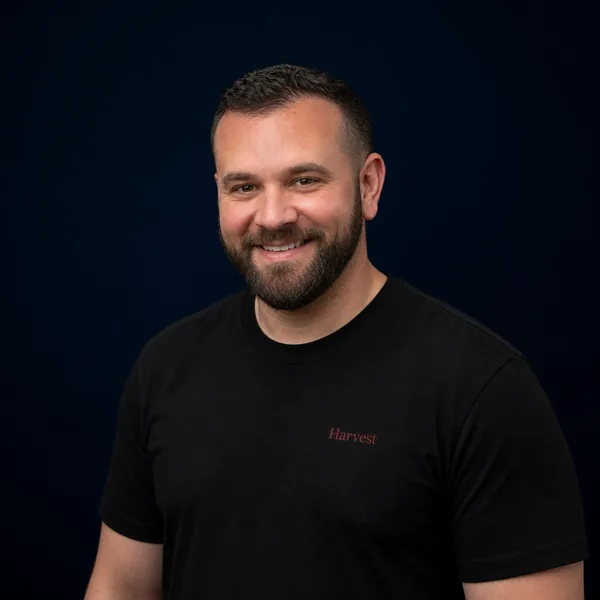
Andrew didn’t come up through software. He graduated from the Culinary Institute of America, worked as a sous chef in New York City, and made his pivot into food tech in 2006 when Fresh Direct hired him — their head of R&D was a fellow CIA graduate. That origin matters: Andrew walked into every client engagement that followed knowing what it actually feels like to work a production floor.
He spent years doing independent software implementation consulting across New York-area food manufacturers before a chance encounter at Organic Avenue put him in the same room as Jed and Jonathan. He joined Harvest as a Solutions Architect in early 2023.
What Andrew brings to an implementation is a refusal to let technically correct get in the way of practically useful. When a requested approach won’t work for the warehouse employee earning $14[JD4.1] an hour who has to use it every day, Andrew goes back to the stakeholder and says so. His definition of what Harvest does is straightforward: “We make food manufacturers run better and run safer.” Run better means real visibility into cost and inventory, and workflows that actually function in operations. Run safer means lot tracking, recalls, product holds, and quality validation — the mechanisms that protect the end consumer.
Outside of work, Andrew has trained Brazilian jiu-jitsu since 2012 and earned his black belt — a very rare distinction he works hard to maintain.
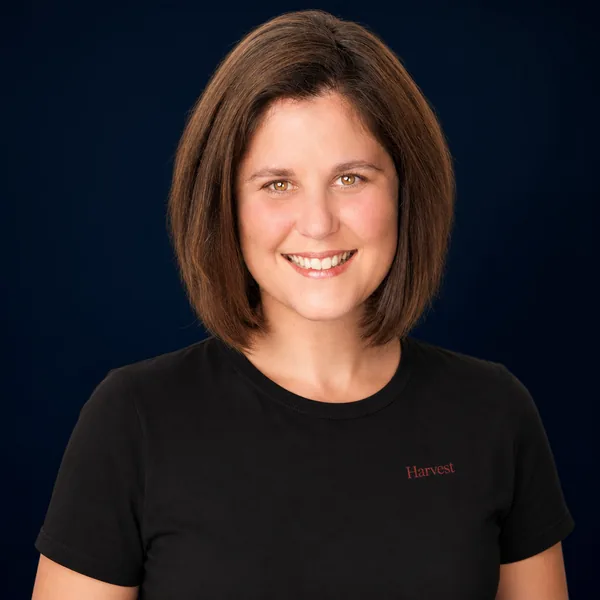
Christy came to Harvest Food Solutions from the customer side, bringing decades of IT experience inside a food manufacturing organization. Rather than approaching ERP as an outside consultant, she spent years working directly with ERP in a live operating environment, solving real problems for teams across production, inventory, distribution, finance, and customer service.
She began with Microsoft Dynamics NAV and later helped manage the transition to Dynamics 365 Business Central. That experience gave her a practical understanding of both platforms and how system changes affect the employees who rely on them every day. She knows the difference between how an ERP is designed to work and how it must perform in the fast-paced reality of food manufacturing.
At Harvest, Christy focuses on the customer experience after go-live, including support, testing, enhancements, training, and ongoing problem-solving. Her priority is ensuring that Business Central works effectively for the end users responsible for running the business.
Known for being “customer obsessed,” Christy looks beyond simply closing a ticket. She works to identify the root cause, explain the solution clearly, and understand how the change may affect the broader operation.
Outside of work, Christy is training for her fourth marathon, taking place on her birthday—Friday the 13th.
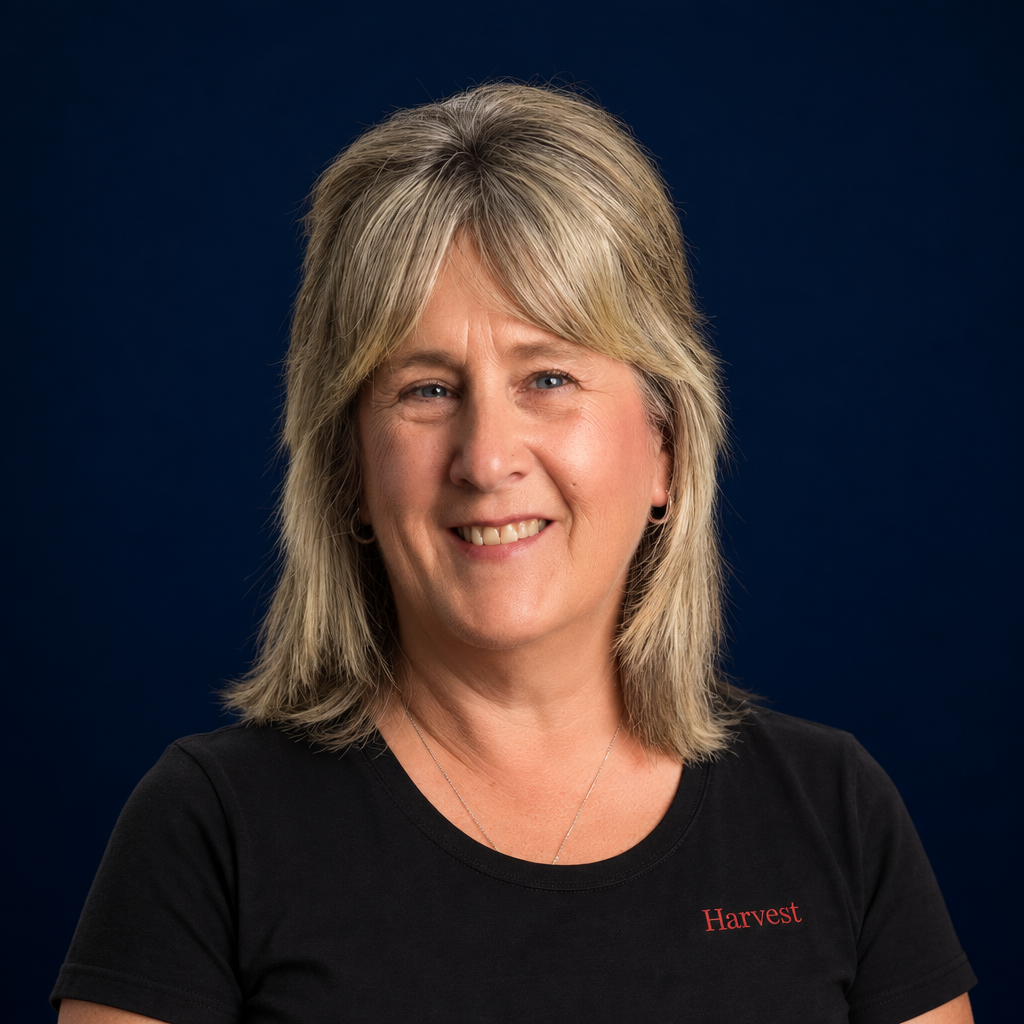
Food-industry bio — pending from client. Two lines of background here once roles are confirmed.
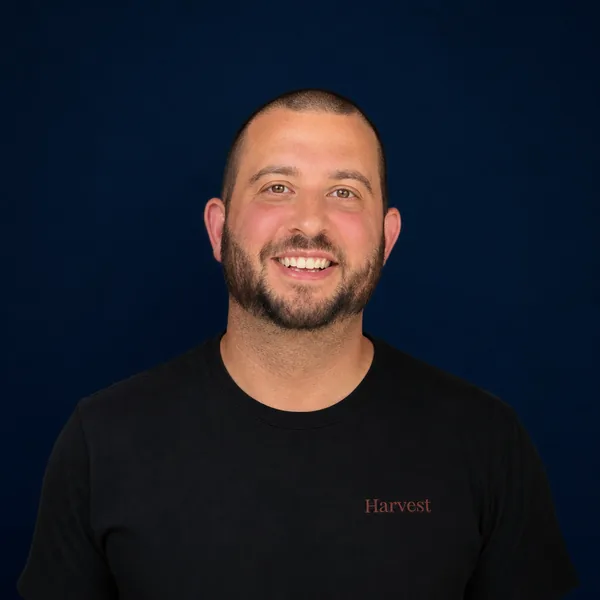
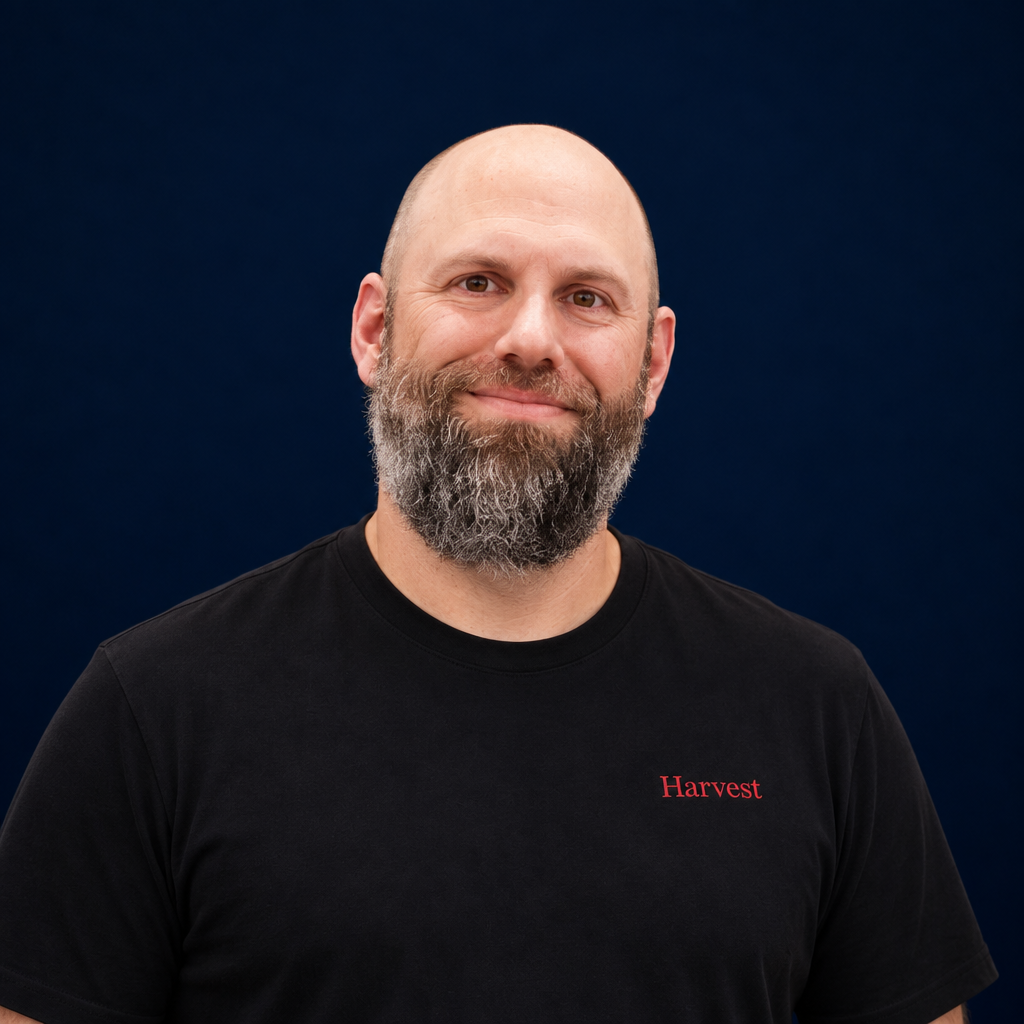
Jonathan has spent his career in the food industry, starting in technology roles and advancing into leadership positions overseeing ERP systems, direct store delivery, and operations across large organizations.
With over 20 years of experience, he has led ERP consolidations, mobile deployments, and operational improvements across acquired companies. This work gave him a practical understanding of food business operations—from production and distribution to finance, food safety, and sales.
Jonathan focuses on three core principles: technology must deliver measurable value, strong relationships drive success, and the right people matter most. He believes lasting improvement comes from combining effective technology with experienced professionals who understand the work and are committed to improving it.
In 2020, he founded Harvest Food Solutions to fill a market gap by offering both ERP (Microsoft Dynamics 365 Business Central) and direct store delivery solutions in one place.
He builds his team with professionals who have real-world food industry experience, ensuring they understand the daily challenges customers face.
Jonathan’s goal is to build long-term partnerships and help customers strengthen operations, improve processes, and support sustainable growth.
When he is not working with food companies, Jonathan takes every opportunity he can to spend time outdoors—especially when he can fit in a fly-fishing trip.
Food-industry bio — pending from client. Two lines of background here once roles are confirmed.
We challenge the norm. Most food software does the same things the same way. We don’t, and our customers feel it — in AI agents that ship orders today, in mock recalls that take 60 seconds, in dashboards that update in real time.
You’ll see our prices on this site. You’ll see what we can do and what we can’t. You’ll see real comparisons to our competitors, including the places where they win. We think clear, honest, full-picture communication is the only kind worth having.
You don’t run a bakery for a century without drive. We bring that same intensity to our customers’ problems — the ones that matter on a Tuesday at 5 a.m., not just the ones that look good in a quarterly review.
We hold ourselves to the highest standards — to our customers, to our team, and to the food industry we came from.
We grew up on the principles of baker’s hours, and that’s how we run our business. When you need us early, we’re there. When something breaks on a Saturday, we’re there. We don’t charge extra for it. It’s how we were raised.
Book a call with the people who came from food — or take a look at what we’ve built. No discovery-call gating.
We didn’t get into food software because it was a market opportunity. We got into food software because food is where we came from.
We help food and beverage companies operate more safely, efficiently, and confidently through software designed for the way you work, a disciplined implementation process, and support from people who understand the industry firsthand
More than a hundred years ago, our founder’s family started a small neighborhood bakery. It was flour, water, yeast, and a delivery route — bread, fresh, on doorsteps before the sun came up.
That bakery grew. Over the next century it became one of the largest bread businesses in the country, run by the same family, generation after generation. It’s still in operation today.
Our founder grew up in it. He worked the production floor. He rode the delivery routes. He watched the family business handle the things every food company has to handle — supply costs, scheduling, recalls, route economics, hiring, holidays — long before there was software for any of it.
After a career in the family business, our founder left to start a technology company. He didn’t leave because he was done with food. He left because he saw a gap.
Every food company runs into the same problems. Most of them are using software that wasn’t built for food — generalist ERPs that don’t understand lot traceability, accounting tools that can’t handle BOMs, spreadsheets stitched together with email. The tools fight the work.
He started Harvest Food Solutions to build software for food companies, by people who came from food. Not adapted for food. Not “food vertical.” Built for it, top to bottom.
Most of us spent years in food manufacturing, distribution, or DSD operations before we ever sat down to design software. We’ve been the operations director getting the 6 a.m. call. We’ve been the bookkeeper running month-end close on a Sunday. We’ve been the dispatcher when a route went sideways. That’s the experience we bring to every customer engagement.
Andrew didn’t come up through software. He graduated from the Culinary Institute of America, worked as a sous chef in New York City, and made his pivot into food tech in 2006 when Fresh Direct hired him — their head of R&D was a fellow CIA graduate. That origin matters: Andrew walked into every client engagement that followed knowing what it actually feels like to work a production floor.
He spent years doing independent software implementation consulting across New York-area food manufacturers before a chance encounter at Organic Avenue put him in the same room as Jed and Jonathan. He joined Harvest as a Solutions Architect in early 2023.
What Andrew brings to an implementation is a refusal to let technically correct get in the way of practically useful. When a requested approach won’t work for the warehouse employee earning $14[JD4.1] an hour who has to use it every day, Andrew goes back to the stakeholder and says so. His definition of what Harvest does is straightforward: “We make food manufacturers run better and run safer.” Run better means real visibility into cost and inventory, and workflows that actually function in operations. Run safer means lot tracking, recalls, product holds, and quality validation — the mechanisms that protect the end consumer.
Outside of work, Andrew has trained Brazilian jiu-jitsu since 2012 and earned his black belt — a very rare distinction he works hard to maintain.
Christy came to Harvest Food Solutions from the customer side, bringing decades of IT experience inside a food manufacturing organization. Rather than approaching ERP as an outside consultant, she spent years working directly with ERP in a live operating environment, solving real problems for teams across production, inventory, distribution, finance, and customer service.
She began with Microsoft Dynamics NAV and later helped manage the transition to Dynamics 365 Business Central. That experience gave her a practical understanding of both platforms and how system changes affect the employees who rely on them every day. She knows the difference between how an ERP is designed to work and how it must perform in the fast-paced reality of food manufacturing.
At Harvest, Christy focuses on the customer experience after go-live, including support, testing, enhancements, training, and ongoing problem-solving. Her priority is ensuring that Business Central works effectively for the end users responsible for running the business.
Known for being “customer obsessed,” Christy looks beyond simply closing a ticket. She works to identify the root cause, explain the solution clearly, and understand how the change may affect the broader operation.
Outside of work, Christy is training for her fourth marathon, taking place on her birthday—Friday the 13th.
Jonathan has spent his career in the food industry, starting in technology roles and advancing into leadership positions overseeing ERP systems, direct store delivery, and operations across large organizations.
With over 20 years of experience, he has led ERP consolidations, mobile deployments, and operational improvements across acquired companies. This work gave him a practical understanding of food business operations—from production and distribution to finance, food safety, and sales.
Jonathan focuses on three core principles: technology must deliver measurable value, strong relationships drive success, and the right people matter most. He believes lasting improvement comes from combining effective technology with experienced professionals who understand the work and are committed to improving it.
In 2020, he founded Harvest Food Solutions to fill a market gap by offering both ERP (Microsoft Dynamics 365 Business Central) and direct store delivery solutions in one place.
He builds his team with professionals who have real-world food industry experience, ensuring they understand the daily challenges customers face.
Jonathan’s goal is to build long-term partnerships and help customers strengthen operations, improve processes, and support sustainable growth.
When he is not working with food companies, Jonathan takes every opportunity he can to spend time outdoors—especially when he can fit in a fly-fishing trip.
Food-industry bio — pending from client. Two lines of background here once roles are confirmed.
We challenge the norm. Most food software does the same things the same way. We don’t, and our customers feel it — in AI agents that ship orders today, in mock recalls that take 60 seconds, in dashboards that update in real time.
You’ll see our prices on this site. You’ll see what we can do and what we can’t. You’ll see real comparisons to our competitors, including the places where they win. We think clear, honest, full-picture communication is the only kind worth having.
You don’t run a bakery for a century without drive. We bring that same intensity to our customers’ problems — the ones that matter on a Tuesday at 5 a.m., not just the ones that look good in a quarterly review.
We hold ourselves to the highest standards — to our customers, to our team, and to the food industry we came from.
We grew up on the principles of baker’s hours, and that’s how we run our business. When you need us early, we’re there. When something breaks on a Saturday, we’re there. We don’t charge extra for it. It’s how we were raised.
Book a call with the people who came from food — or take a look at what we’ve built. No discovery-call gating.